AI stock slide gives the S&P 500 its longest losing run in 2.5 years
More than nine in ten of the index's companies fell Thursday, selling reached Asia by Friday, and a Fed rate increase is priced in.
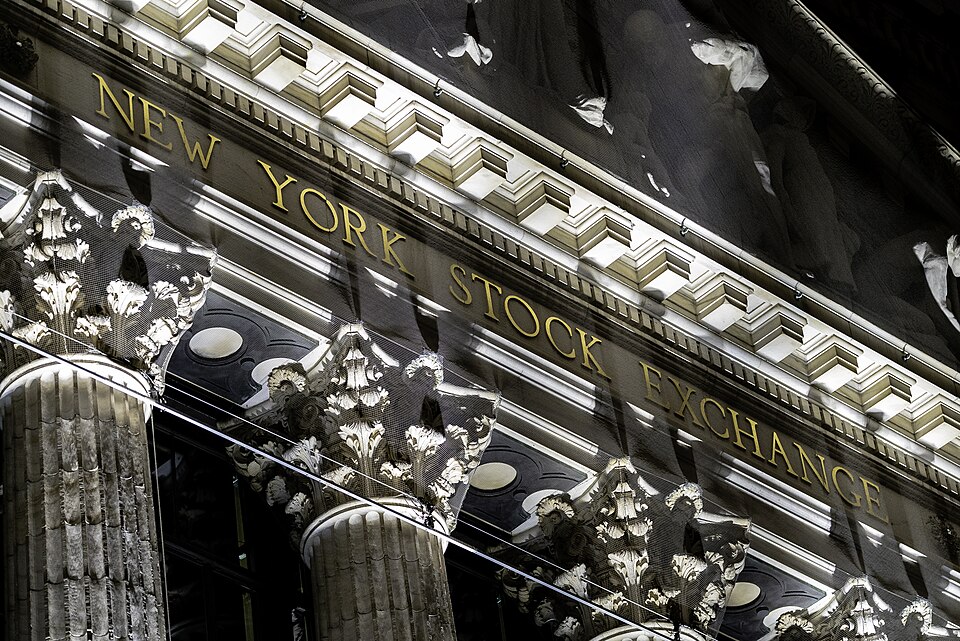
What happened
The S&P 500 fell on Thursday 19 November for a sixth straight session, its longest losing streak in two and a half years, as stocks tied to artificial intelligence kept falling, AP reported. [1]
The slide came on the day Anthropic's shares began trading on Nasdaq after the largest IPO on record, a debut AP described as a strong welcome. The index rose early in the session, then reversed, AP reported. [1, 2]
Why it matters
The selling has spread past the AI companies themselves: more than 90 percent of the index's stocks fell, AP reported. Reuters reported the index was near a correction, a drop of 10 percent from a recent high. [1, 2]
Why now
AP listed the worries stacking up: doubts that AI can earn enough to justify the data center spending, high interest rates, and the Democrats' midterm wins raising the prospect of more AI rules. The latest was Jensen Huang's sudden resignation as Nvidia's chief executive, AP reported. [1]
Rates are part of it. Minutes of the Federal Reserve's October meeting showed a desire to rein in inflation, Reuters reported. Markets put the chance of a quarter-point increase in December at 96.4 percent, according to CME's FedWatch tool. [2]
Investors moved toward safer holdings: the 10-year Treasury yield was 5.04 percent on Thursday, down from 5.07 percent on Wednesday, the Treasury's daily table shows. AP also noted slightly more claims for unemployment benefits and slower mid-Atlantic factory growth than economists expected. [1, 3]
The selling reached Asia early on Friday 20 November, AP reported, with Advantest and SoftBank Group in Tokyo, Samsung Electronics in South Korea and Tencent in China among the AI-related shares lower. [4]
What settles it next
The Commerce Department is expected to release its personal consumption expenditures report, which carries the Fed's preferred inflation gauge, next week, Reuters reported. The Fed's next rate decision comes at its meeting of 8 to 9 December, its calendar shows. [2, 5]
Who it reaches
Nvidia (NVDA) is adjacent: AP named its chief executive's resignation as the latest worry. Micron (MU) and CoreWeave (CRWV) are adjacent: AP named both among AI stocks that swung from early gains to losses. [1]
Advanced Micro Devices (AMD) is adjacent: Reuters reported its shares fell after Hunterbrook said an affiliated fund had bet on a decline. Nebius (NBIS), which rents out AI computing, is adjacent: Reuters named it among Thursday's decliners. [2]
Companies in this story
- NVDAAP named Jensen Huang's sudden resignation as Nvidia's chief executive as the latest of the worries weighing on AI stocks.adjacent
- AMDReuters reported its shares fell after the investigative outlet Hunterbrook said an affiliated fund had taken a short position, a bet on a decline.adjacent
- MUAP named Micron, a maker of memory chips whose sales grew with the AI boom, among the stocks that swung from early gains to losses.adjacent
- CRWVAP named CoreWeave, which rents out AI chips over the cloud, among the stocks that swung from early gains to losses.adjacent
- NBISReuters named Nebius, another company that rents out AI computing, among the stocks that fell on Thursday.adjacent
Sources
- AP (Stan Choe), Wall Street's S&P 500 6-day losing streak is its longest in 2 and a half years, Thursday 19 November 2026, via WRTV press
- Reuters and Globe staff, Major stock indexes end sharply lower as Anthropic's debut fails to revive AI fervour, The Globe and Mail, Thursday 19 November 2026 press
- US Treasury, Daily Treasury Par Yield Curve Rates, 2026 regulator
- AP (Yuri Kageyama), Asia shares drop on AI worries, echoing Wall Street's decline despite the strong Anthropic debut, Thursday 19 November 2026, via ABC News press
- Federal Reserve, Meeting calendars and information, FOMC 2026 regulator
Research, not advice. Every figure above names the source it comes from.